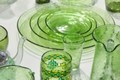



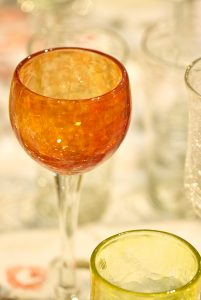
 Blown glass
Glass is a very ancient practice deeply rooted in the cultural history of our country. The Carthaginians have inherited the practice of their ancestors the Phoeniciansto adapt it and develop it in Carthage and Kerkuane.
After the fall of the Roman Empire, Tunisian glassworkers continued to produce glass to the traditional way of blowing in the open air or in a mold. The Muslim Middle Ages has seen the settlement of glass crafts which knew a particular boom like the other countries of the Islamic East: Delicacy of the molded and carved ornaments and especially wealth gilded and enameled decoration works.
Aghlabids dynasties, Fatimids and Zirides seeking to compete with the splendor of the court of Baghdad, have developed from the ninth century a glass craftsmanship that remains active until the mid-fourteenth century, which saw the elimination of blowing with the mouth in favor of industrial production.
After an absence of several centuries, the glass returns to Tunisia by the effort of the National Office of Tunisian handicraft which has reintroduced traditional techniques. Creative artisans took over and are now expressed in several books that combine ancient traditions and modern practices.